
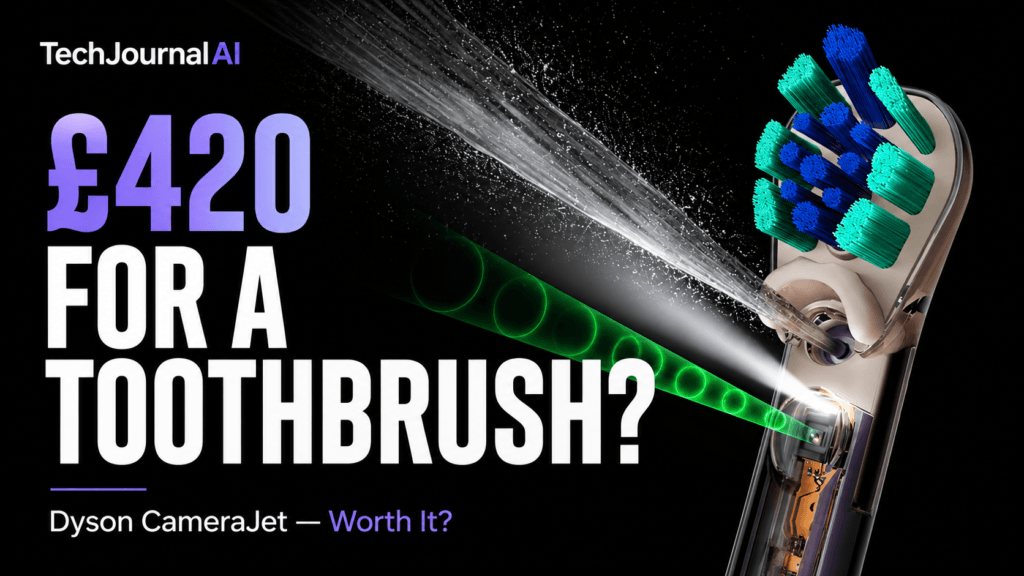
Short answer: Dyson’s new CameraJet is one of the most advanced electric toothbrushes available, combining sonic brushing, a camera, machine-learning gap detection and targeted liquid jets. At £419.99 in the UK, though, it costs several times more than many premium electric toothbrushes, and Dyson’s performance claims are not the same thing as independent proof that most people need one.
What is the Dyson CameraJet?
The CameraJet is an electric toothbrush with an integrated 100,000-pixel macro camera.
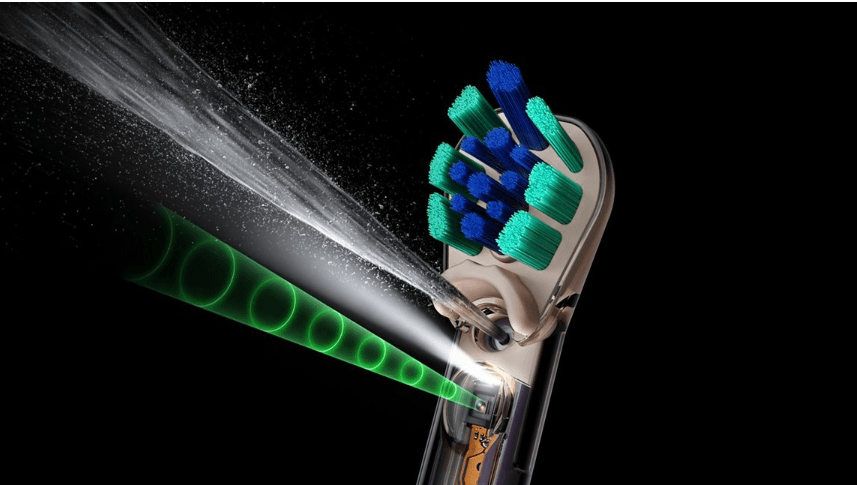
Dyson says the camera analyzes 28 images per second using a machine-learning system called Gap Optical Targeting. The toothbrush attempts to identify spaces between teeth and then directs a pressurized jet of liquid into those areas while you brush.
The system combines:
- Sonic brushing
- Interdental liquid jetting
- Live camera viewing
- Brushing guidance
- Coverage tracking
- MyDyson app connectivity
This is why comparing it only with a normal electric toothbrush is difficult. Dyson is effectively combining a toothbrush, oral irrigator and connected dental camera into one device.
Why is there a camera inside a toothbrush?
The camera has two jobs.
First, it helps the toothbrush identify interdental gaps for the automatic jet system.
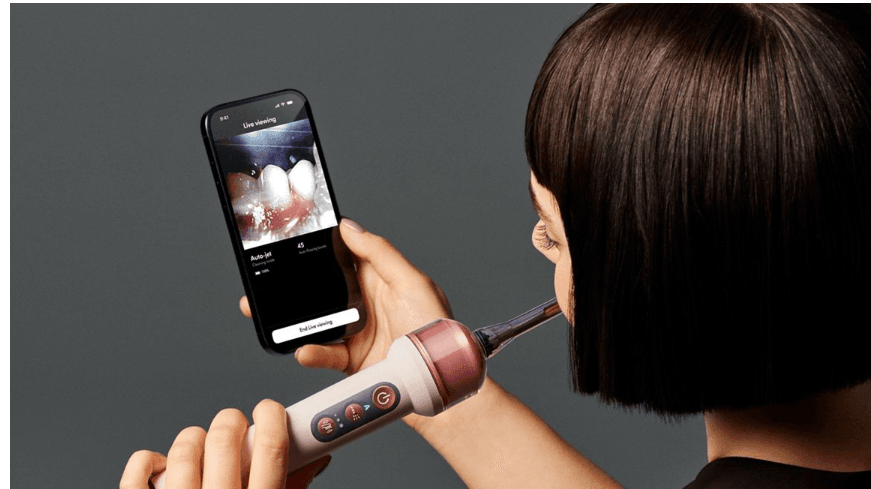
Second, users can watch a live view of their mouth through the MyDyson app to see where they are brushing and potentially identify areas they repeatedly miss.
That sounds intrusive, but Dyson has made an important privacy claim: the camera is active only during live viewing or automatic jetting, and images are not recorded or stored on the toothbrush or in the cloud.
That is a meaningful distinction from systems that upload camera footage for cloud analysis.
Does the CameraJet replace flossing?
Dyson describes the system as precision-flossing, but consumers should be careful with that wording.
The CameraJet fires a targeted liquid jet between teeth while brushing. Dyson says its system removes plaque between teeth more effectively than a manual toothbrush under its specified testing conditions.
That does not automatically prove it replaces every form of interdental cleaning for every person.
People with:
- Very tight tooth contacts
- Gum disease
- Dental implants
- Bridges
- Orthodontic appliances
may still need specific interdental brushes, floss or professional advice.
Dyson itself says users with braces should follow their orthodontist’s advice, although CameraJet can be used in brush mode followed by manual jetting.
Read also AI Cyberattacks Are Getting More Dangerous: 7 Ways to Protect Yourself
Gemini File Upload Failed? 8 Ways to Fix It
The £420 question: what are you paying for?
The UK CameraJet costs £419.99. Dyson’s current UK page also lists a two-pack of brush heads at £25, or £22.50 on subscription, with replacement suggested approximately every three months.
That means the toothbrush is not simply a one-off £420 purchase.
Dyson also created its own non-foaming toothpaste and low-foaming mouthrinse because excessive foam could obstruct the camera. The Guardian reports a UK price of £8.50 each for the toothpaste and mouth rinse.
You are therefore buying into a small ecosystem of:
- Replacement brush heads
- Mouth rinse
- Toothpaste
- Replacement battery eventually
The battery is replaceable, which is a genuine advantage for longevity. Dyson says the battery itself can last up to five years, while a full charge provides up to 10 days of brushing under its stated usage conditions.
What does Dyson claim about cleaning performance?
This section needs caution.
Dyson publishes several performance claims based on clinical and laboratory testing, including plaque-removal comparisons against manual or premium electric toothbrushes under defined conditions. Its current product page references both laboratory testing and clinical studies.
The problem is that:
manufacturer testing is useful evidence, but it is not the same as independent head-to-head evidence showing that most consumers will achieve substantially better oral health.
The Guardian also quotes the British Dental Association emphasizing that consistent brushing technique is more important than simply buying expensive technology.
That is probably the most important context around the launch.
What looks genuinely useful?
Three features stand out.
1. Seeing where you actually brush
Most people cannot see the back surfaces of their teeth while brushing.
Live viewing and coverage mapping could help someone improve poor technique rather than merely increasing brush power.
2. Automatic interdental targeting
A targeted jet integrated into the normal brushing routine could make interdental cleaning easier for people who regularly skip flossing.
Convenience matters because a theoretically excellent cleaning method is useless if people never use it.
3. Replaceable battery
Many premium electric toothbrushes eventually become electronic waste when the internal battery degrades.
Dyson’s replaceable battery makes the CameraJet more repairable than many sealed competitors.
What are the biggest limitations?
The price
£420 is difficult to justify if you already brush effectively with a good electric toothbrush and clean between your teeth.
More maintenance
The CameraJet has a liquid tank that must be filled and cleaned. Dyson says the tank uses 12.5 ml of liquid per clean and should be rinsed and air-dried.
That is more maintenance than a normal toothbrush.
You are paying for features you may stop using
Connected-health products often look impressive during the first week.
The real question is whether someone will still open the app, inspect live footage and maintain the liquid system six months later.
Until longer-term independent testing exists, that remains uncertain.
Dyson’s ecosystem may matter
Dyson says the device is optimized around its own low-foaming toothpaste and mouthrinse, and its brush heads are proprietary.
That creates ongoing dependence on Dyson-specific consumables.
Who might actually benefit?
The CameraJet makes most sense for:
- Technology enthusiasts
- People who struggle with brushing coverage
- Users who dislike separate water flossers
- People who value detailed oral-care feedback
- Buyers willing to pay heavily for convenience
It makes less sense for someone who already has:
- Good brushing technique
- A quality electric toothbrush
- A reliable interdental-cleaning routine
- No interest in app tracking
For those users, the improvement may not justify hundreds of pounds.
Bottom line
The Dyson CameraJet is not just an overpriced electric toothbrush. It introduces genuinely unusual technology: live oral imaging, AI-based gap detection and automatic liquid jetting in one handheld device.
But £419.99 is still a major premium, and the launch evidence does not yet show that an average user needs this level of hardware to maintain good oral health.
If you are attracted by the technology, the CameraJet is one of the most interesting oral-care products launched in years.
If your goal is simply healthier teeth and gums, consistent twice-daily brushing and effective interdental cleaning remain far cheaper places to start.
Source :Dyson — CameraJet official product page // Dyson — CameraJet technical overview // The Guardian — Dyson launches £420 camera toothbrush

Pingback: Hostinger Review: Cheap Hosting, But Is It Actually Good?